 Cartilage
 Knees
Knees Hip
Hip Shoulder
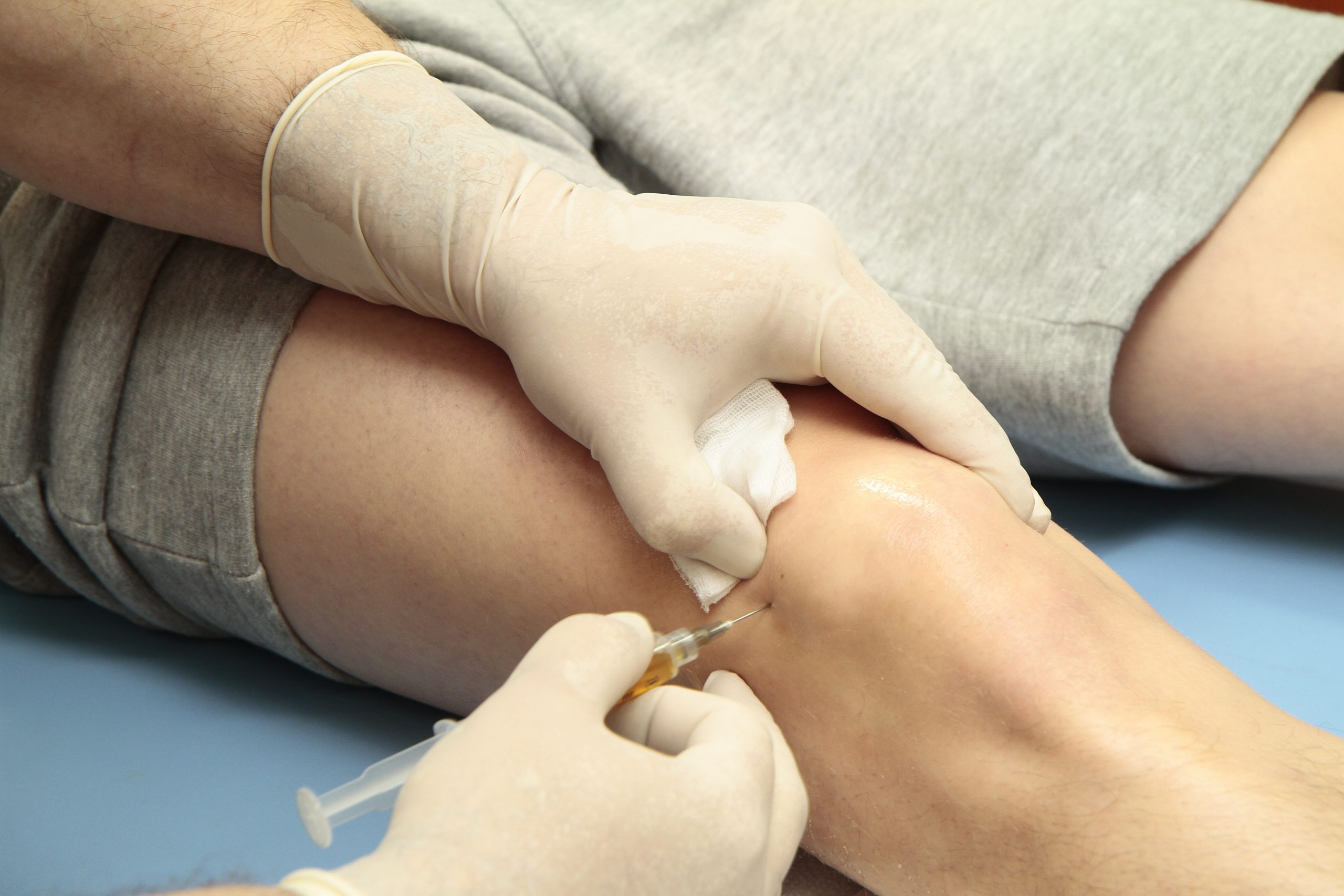
Arthrosamid Injections and Physiotherapy for Knee Osteoarthritis Relief
11/03/26


Knee injuries are incredibly common and can be worrying, especially when surgery seems like the obvious next step. However, surgery isn’t always necessary, particularly when it comes to certain cartilage injuries. Many patients want to explore alternatives to the operating theatre if possible. This article helps you understand when knee surgery might be avoidable and how to make well-informed decisions about non-surgical treatment options.
The knee’s cartilage acts as a cushion, allowing bones to glide smoothly without pain or damage. Injuries such as meniscus tears or small cartilage lesions can vary widely – some heal on their own, while others may need intervention. Factors like your age, how active you are, and exactly where the injury lies all influence how well your cartilage can repair itself. Early diagnosis by a specialist is vital to properly assess which injuries might improve naturally and which might need closer attention.
There are several effective non-surgical options to help cartilage injuries heal. Physiotherapy is often the cornerstone, focusing on strengthening the muscles around your knee to provide better support and stability. Making changes to your activity levels and using supportive braces can also ease strain on the knee, boosting recovery. Many meniscus tears, for example, have been known to heal well without surgery. Typically, recovery takes a few weeks to a few months, during which progress is carefully monitored to ensure the chosen treatment is working.
Surgery is often considered when non-surgical treatments don’t bring relief or when specific symptoms appear. These might include the knee locking or catching, severe cartilage damage causing instability or persistent pain, or simply a lack of improvement despite proper conservative care. Doctors also consider how your injury affects your lifestyle and goals. It is worth noting that new treatments, such as the safe and straightforward ChondroFiller liquid method, have been emerging as effective surgical options, though more research is needed to fully understand their long-term benefits. Ultimately, any surgical decision should be personalised and made after thorough evaluation.
Many people worry about how long recovery will take, the chance of injuring the knee again, and when they’ll be able to return to normal activities or sports. It helps to keep a close eye on your symptoms and progress during rehabilitation. If your pain worsens, the knee starts locking, or function remains impaired, it’s wise to see a specialist. Working with an experienced healthcare team can provide reassurance and expert advice, giving you the best chance of a smooth recovery.
Professor Paul Lee, a leading Cartilage Expert and Regional Surgical Ambassador, heads the team at the London Cartilage Clinic. With years of experience in orthopaedics and rehabilitation, he guides patients through their treatment choices with care and expertise. The clinic provides a professional, evidence-based environment focused on personalised care plans. While no treatment can guarantee specific results, this approach aims to give patients the best possible outcomes and peace of mind.
Knee surgery isn’t always the answer for cartilage injuries. Understanding your condition and carefully considering non-surgical options can often lead to a successful recovery. Always seek advice from healthcare professionals who can tailor treatment to your individual needs. For personalised medical advice, please consult a qualified healthcare professional.
London Cartilage Clinic, led by Prof Paul Lee, specialises in personalised knee cartilage treatment. With extensive experience and a focus on evidence-based care, the clinic is dedicated to guiding patients through both surgical and non-surgical options for optimal outcomes.
Professor Paul Lee is a recognised Cartilage Expert and Regional Surgical Ambassador. He holds advisory and ambassadorial roles with the Royal College of Surgeons of Edinburgh, offering patients expert guidance grounded in years of orthopaedic and rehabilitation experience.
At London Cartilage Clinic, expert-led conservative management includes physiotherapy, activity modification, and supportive braces. These non-surgical options are carefully chosen and monitored to encourage healing and help patients regain knee function without immediate need for surgery.
A specialist consultation is recommended if knee symptoms like pain, locking, or impaired function worsen, or if recovery stalls. The London Cartilage Clinic provides expert assessment and tailored advice to address patients’ concerns and guide their care decisions.
The London Cartilage Clinic combines clinical excellence with a personalised approach. Under Professor Lee’s guidance, patients receive ongoing support, clear education, and regular monitoring, helping to achieve the best possible results in knee cartilage care.
All our treatments are selected to help patients achieve the best possible outcomes and return to the quality of life they deserve. Get in touch if you have any questions.
At London Cartilage Clinic, we are constantly staying up-to-date on the latest treatment options for knee injuries and ongoing knee health issues. As a result, our patients have access to the best equipment, techniques, and expertise in the field, whether it’s for cartilage repair, regeneration, or replacement.
For the best in patient care and cartilage knowledge, contact London Cartilage Clinic today.
At London Cartilage Clinic, our team has spent years gaining an in-depth understanding of human biology and the skills necessary to provide a wide range of cartilage treatments. It’s our mission to administer comprehensive care through innovative solutions targeted at key areas, including cartilage injuries. During an initial consultation, one of our medical professionals will establish which path forward is best for you.
Contact us if you have any questions about the various treatment methods on offer.
Legal & Medical Disclaimer
This article is written by an independent contributor and reflects their own views and experience, not necessarily those of londoncartilage.com. It is provided for general information and education only and does not constitute medical advice, diagnosis, or treatment.
Always seek personalised advice from a qualified healthcare professional before making decisions about your health. londoncartilage.com accepts no responsibility for errors, omissions, third-party content, or any loss, damage, or injury arising from reliance on this material. If you believe this article contains inaccurate or infringing content, please contact us at [email protected].